ByJohn A
Artificial Intelligence in Sports Training
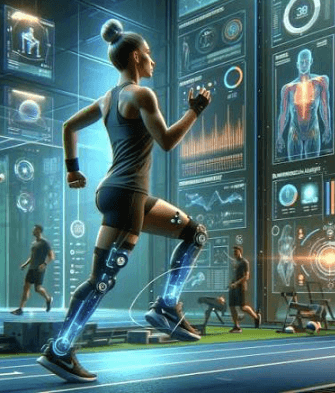
Artificial intelligence reshapes sports training by quantifying performance and guiding individualized plans. Data from biomechanics, physiology, and context informs predictive models that assess risk and progression. Interdisciplinary teams emphasize transparency, ethics, and athlete autonomy, balancing objective metrics with actionable frameworks. Wearables, vision systems, and analytics enable real-time feedback and longitudinal insight without eroding consent or safety. The challenge lies in integrating governance with practice, leaving optimization dependent on evolving norms and evidence.
How AI Shapes Modern Sports Training
Artificial intelligence is increasingly embedded in sports training to quantify performance, tailor programs, and monitor recovery. Data-driven coaching emerges as a core paradigm, integrating biomechanical metrics, physiological signals, and contextual factors to guide decision making. Predictive modeling enables risk assessment and progression planning, while interdisciplinary collaboration ensures methods remain transparent and ethically grounded, balancing innovation with athlete autonomy and long-term performance objectives.
Measuring Impact: From Data to Actionable Plans
Measuring impact in AI-assisted training integrates objective metrics with actionable frameworks to translate data into concrete decisions.
Cross-disciplinary evaluation combines performance data, physiological signals, and strategic outcomes to form repeatable plans.
Data visualization clarifies trends and variances for stakeholders, while model interpretability enables transparency about driver factors and risk.
Decisions become evidence-based, adaptable, and aligned with athlete-centered development.
See also: Artificial Intelligence in Space Technology
Tools, Tech, and Techniques: Wearables, Vision, and Analytics
Wearables, vision systems, and analytics platforms form the core toolkit for modern sports training, enabling objective monitoring across biomechanical, physiological, and tactical dimensions.
Wearables hardware quantify load, pacing, and muscle activity, while vision systems extract spatial-temporal patterns and technique metrics.
Data integration supports interdisciplinary models, validating real-time feedback and longitudinal performance trajectories without compromising athlete autonomy or exploratory, freedom-oriented inquiry.
Elevating Performance Safely: Ethics, Injury Risk, and Recovery
How can performance gains be pursued without compromising athlete safety, given the complex trade-offs among training load, recovery, and ethical considerations? Data-driven evaluation reveals injury risk curves tied to workload and recovery intervals, informing governance of data-sharing, consent, and intervention thresholds. The discourse emphasizes tone deaf privacy and data ownership, ensuring transparent autonomy while advancing performance within evidence-based safety boundaries.
Frequently Asked Questions
How Accessible Is Ai-Powered Training for Grassroots Athletes?
AI affordability and accessible performance are improving; AI usability aligns with grassroots access, yet gaps remain in infrastructure and coaching availability. Evidence suggests incremental gains for grassroots athletes, with interdisciplinary adoption fostering broader participation and data-informed freedom in training decisions.
What Are the Hidden Costs of AI in Sports Programs?
The hidden costs include implementation burdens, data privacy concerns, and accessibility challenges, with an average 6–12 month injury prevention timeline. Institutions balance coaching autonomy against data governance, while managing costs, scalability, and rigorous, interdisciplinary performance metrics.
Can AI Replace Human Coaching in Training Decision-Making?
AI cannot fully replace human coaching in training decision making; it augments expertise, offering data-driven insights while preserving the coach’s interpretive judgment, collaboration, and ethical considerations for an autonomous, freedom-oriented athletic development process.
How Is Data Privacy Managed With Athlete-Centered AI?
Like a secure vault, data privacy is enforced through governance and technical safeguards, ensuring athlete consent guides collection and use. Data privacy practices, transparent consent processes, and interdisciplinary oversight support trustworthy AI in athlete-centered analytics.
What Is the Timeline for Ai-Driven Injury Prevention Breakthroughs?
The timeline suggests incremental breakthroughs over the next five to ten years, with targeted injury prevention supported by multi-omics data, real-time monitoring, and validated models; evidence indicates progressive improvement but exact dates remain probabilistic and interdisciplinary safeguards are essential.
Conclusion
AI-driven sports training increasingly translates data into personalized, evidence-based plans that athletes can meaningfully act on. Across wearables, vision, and analytics, real-time feedback and longitudinal trajectories support informed adjustments while preserving autonomy and consent. Interdisciplinary collaboration ensures transparency, ethics, and safety, guiding injury prevention and structured recovery. The conclusion: AI is the compass and the map, turning complex data into clear, actionable routes for peak performance—without steering athletes away from their own agency.